


A Casual Indian Dining Guide for Every Appetite
The best casual Indian meal is not a test of how many spice names you know. It is a warm table, a menu with choices for everyone, and food that arrives full of character - whether you are craving fragrant biryani after work, planning a family dinner, or ordering lunch for a group with very different tastes. This casual Indian dining guide makes choosing easier, so you can spend less time wondering what to order and more time enjoying the meal.
What Casual Indian Dining Should Feel Like
Casual Indian dining is built for real life. It should be comfortable enough for a quick weekday meal, generous enough for a weekend gathering, and flexible enough for dine-in, takeout, delivery, or catering. The atmosphere matters, but the food has to do the real work: familiar flavors made with care, satisfying portions, and a menu broad enough to welcome both lifelong Indian food fans and first-time guests.
Indian cuisine is not one single style. Regional traditions shape everything from the breads and rice dishes served at the table to the level of heat, the texture of gravies, and the spices used in each dish. A good casual restaurant gives diners a way to enjoy that variety without making the experience feel complicated.
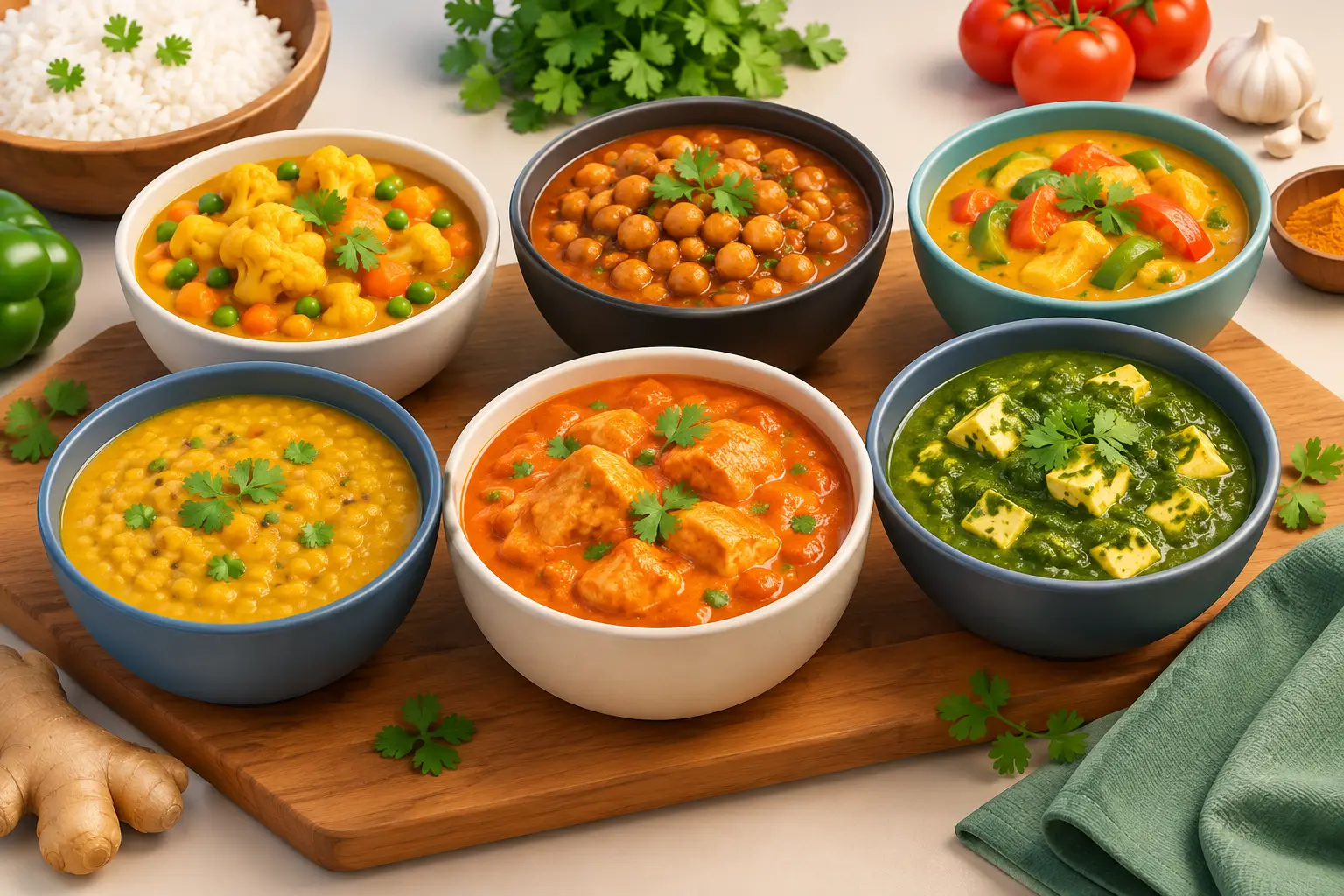
For many groups, the best approach is simple: choose one rice dish, one bread, a few shared mains, and a side that adds contrast. Think smoky tandoori dishes alongside a creamy curry, or a hearty North Indian favorite paired with a bright South Indian specialty. Variety creates a meal everyone can enjoy.
A Casual Indian Dining Guide to the Menu
Start with the style you want
If you are drawn to warm, slow-cooked flavors, North Indian dishes are often a natural place to begin. Expect rich gravies, tandoor-fired meats and vegetables, breads such as naan or roti, and comforting curries that pair well with rice. Butter chicken, paneer dishes, dal, and tandoori chicken are popular choices because they are flavorful without requiring a high tolerance for heat.
South Indian food offers a different kind of comfort. Rice is central, and dishes may feature lentils, coconut, curry leaves, mustard seeds, tamarind, or a lively touch of chili. Dosa, idli, vada, and thali meals can bring a welcome mix of textures and flavors. A thali is especially helpful when you want a complete meal without choosing every component separately. It typically offers a balanced assortment of rice, breads, vegetables, lentils, and accompaniments.
Indo-Chinese dishes are another crowd-pleasing option, especially for diners who enjoy bold, wok-fired flavors. These dishes combine Indian seasoning with Chinese cooking influences, often delivering a satisfying mix of savory, tangy, spicy, and crisp elements. They are excellent for sharing and work well when a group wants something beyond traditional curries.
Let biryani be the centerpiece
Dum biryani deserves its own moment at the table. It is more than flavored rice: the dish is prepared so aromatic rice, spices, and ingredients cook together, building layers of fragrance and flavor. Depending on your preference, a biryani can be chosen with chicken, mutton, seafood, vegetables, or other ingredients.
Biryani is ideal when you want a satisfying one-dish meal, but it also makes a strong shared centerpiece. Add raita or a cooling side, then balance it with a grilled tandoori item or a vegetable dish. For a smaller lunch, biryani alone may be plenty. For a family meal, it gives the table an easy foundation while everyone adds their own favorite side.
Choose spice with confidence
Spice should make a dish more enjoyable, not turn dinner into a challenge. Heat levels vary by recipe, restaurant, and personal preference, so there is no single rule for what is mild or hot. If you are ordering for children, guests new to Indian food, or a mixed group, choose a few gentler dishes and add one bolder option for people who want extra heat.
A creamy curry is not always mild, and a dish with a deep red color is not automatically very spicy. The best question is simply whether the dish can be prepared at your preferred heat level. A welcoming restaurant should help you find the right balance, not make you feel hesitant to ask.
How to Build a Table Everyone Will Enjoy
For two people, one main dish, one rice or biryani, and one bread can be a satisfying starting point. If you are especially hungry, add an appetizer or a vegetable side. For families and groups, ordering separately can lead to too much of one thing and not enough of another. Sharing gives everyone more choice and lets the meal feel more festive.
A dependable group order often includes a grilled item, a gravy-based main, a vegetarian dish, rice, and bread. The grilled dish brings smoky depth, the curry gives you something to scoop up with naan or roti, and the vegetarian option ensures the table is not limited to one type of protein. Add a cooling yogurt side if the meal includes spicier dishes.
Dietary needs should be part of the conversation from the start. Indian menus can offer many vegetarian choices, but ingredients still matter. Some dishes include dairy, nuts, or ghee, while others may be prepared near allergens. Ask the restaurant about your specific needs rather than assuming a dish will fit. The same goes for vegan, gluten-sensitive, and low-spice preferences.
Fresh Preparation Matters as Much as Flavor
A satisfying casual meal should leave you feeling cared for, not weighed down by uncertainty. That is why ingredient standards and kitchen practices deserve attention. Look for restaurants that are clear about how they cook: thoughtful use of quality ingredients, no added MSG, no artificial preservatives, and a commitment to not reusing cooking oil all reflect a serious approach to everyday dining.
Health-conscious cooking does not mean bland food. Indian cuisine gets its personality from spices, herbs, slow cooking, grilling, and careful layering of flavor. A well-made dal can be deeply comforting. Tandoori chicken can be smoky and juicy without being heavy. Vegetable dishes can be hearty enough to stand as the center of a meal rather than an afterthought.
At Nandhana’s Restaurant, that balance of authentic flavor, broad regional choice, and mindful preparation helps make Indian food easy to enjoy for a quick meal or a table full of loved ones.
Dine In, Take Out, or Order for the Group
The right dining format depends on the occasion. Dine-in is often best when you want freshly served tandoori dishes, a relaxed conversation, and the full experience of sharing several plates. Reservations can make a difference for larger groups, celebrations, or busy meal times.
Takeout works beautifully for a quiet dinner at home, while delivery makes Indian food an easy solution for late workdays and family evenings. For office lunches, home celebrations, and community gatherings, catering offers the advantage of variety at scale. Choose dishes that travel well, such as biryani, curries, lentils, and sturdy grilled items, and include both vegetarian and non-vegetarian choices when serving a mixed group.
One practical tip: order breads closer to serving time when possible. They are at their best warm and fresh. Rice dishes and gravies tend to hold up particularly well, which makes them excellent choices for delivery and catered meals.
The next time the menu feels extensive, let that be part of the fun. Start with what sounds comforting, add one dish that is new to you, and build a table where everyone has something worth reaching for.


Comments