


A Practical Guide to Corporate Catering Menus
A corporate lunch can do more than fill a meeting break. When the food arrives on time, offers something for everyone, and feels thoughtfully chosen, it helps colleagues settle in, connect, and return to work energized. This guide to corporate catering menus will help you plan meals that are generous, practical, and full of flavor without making the ordering process complicated.
Start With the Purpose of the Meal
Before choosing dishes, consider why people are gathering. A working lunch for a training session needs food that is easy to serve and eat without interrupting the agenda. A client meeting may call for a more polished spread with crowd-pleasing favorites. Team celebrations can make room for a wider selection, including starters, festive mains, and desserts.
Timing matters too. Breakfast catering is usually lighter, while lunch needs enough substance to carry guests through the afternoon. For evening events, a warmer and more varied menu often feels more appropriate. Knowing the purpose helps you avoid two common problems: ordering too much food that goes untouched or serving a meal that feels too light for the occasion.
Guide to Corporate Catering Menus: Build a Balanced Spread
A good corporate catering menu should offer variety without becoming confusing. The goal is not to order every popular dish. It is to create a balanced meal where guests can build a satisfying plate, whether they prefer vegetarian food, chicken, seafood, or milder flavors.
For an Indian corporate lunch, a reliable format begins with two or three appetizers or side dishes, followed by a mix of vegetarian and non-vegetarian mains. Add rice or biryani, breads such as naan or chapati, and cooling accompaniments like raita. A dessert can be a welcome finishing touch, especially for celebrations or longer events.
Think about contrast across the menu. A rich curry pairs well with lighter vegetable dishes. Fragrant Dum Biryani can be matched with gravy-based mains, fresh salads, and yogurt sides. Tandoori Chicken adds a smoky, familiar option that works particularly well alongside North Indian curries. South Indian dishes can bring comforting flavors and a different texture to the table, while Indo-Chinese selections may appeal to teams looking for something lively and familiar.
The best balance depends on your group. A team with many experienced Indian food lovers may appreciate regional variety and bolder spice levels. A mixed group may respond better to a foundation of approachable dishes, with one or two more adventurous choices available on the side.
Make Vegetarian Choices Part of the Main Plan
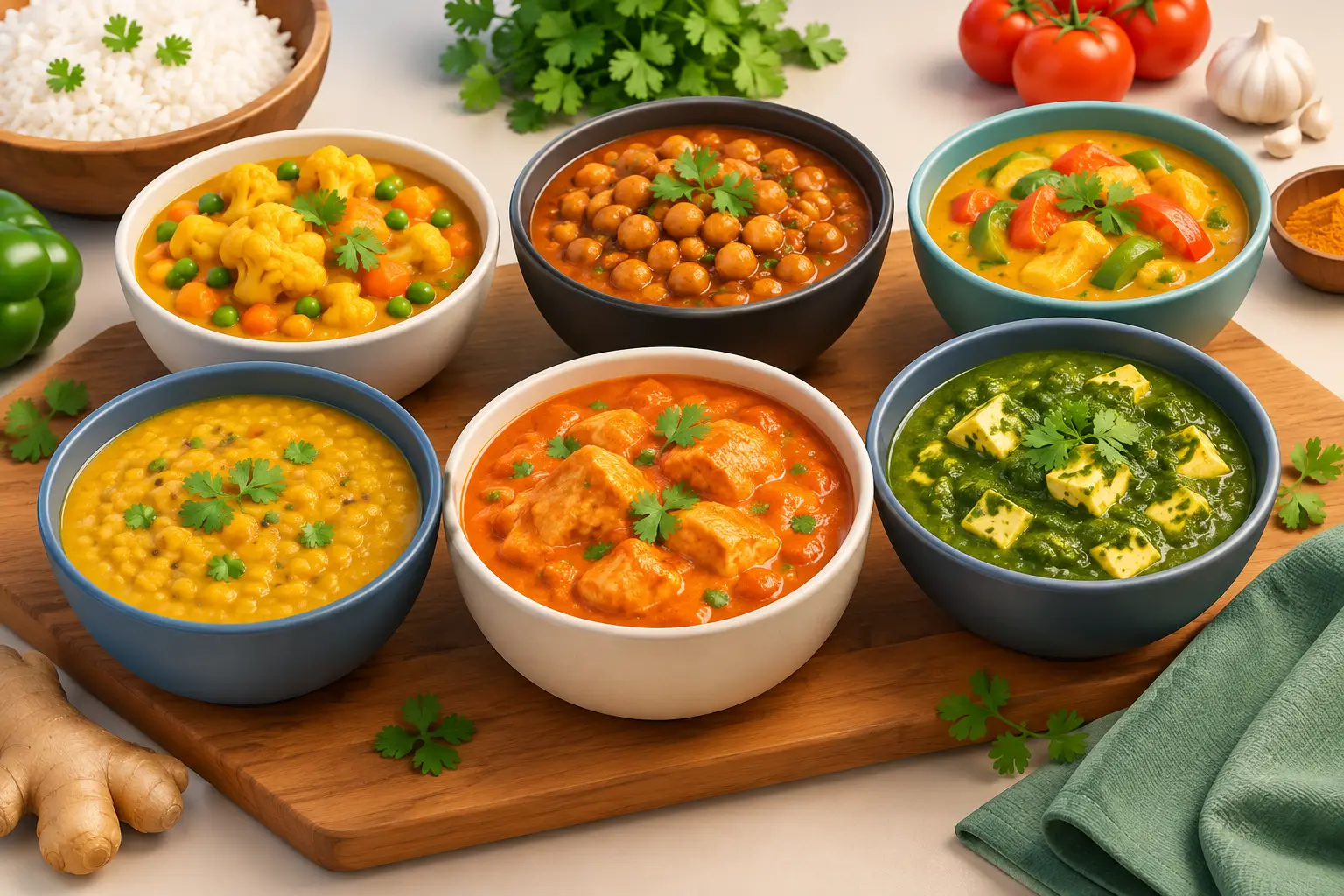
Vegetarian dishes should never feel like an afterthought. Many Indian vegetarian mains are hearty enough to stand beside any meat dish, making them a natural choice for diverse offices. Paneer dishes, lentils, chickpeas, mixed vegetables, and vegetable biryani can add real substance as well as color.
For groups of 20 or more, include at least two vegetarian mains whenever possible. This supports vegetarian guests and gives everyone more variety. It also helps manage cost without making the meal feel less generous.
Choose Spice Levels With Care
Spice is personal. A dish that feels pleasantly warm to one guest may be too intense for another, especially in a workplace setting. When you do not know the group’s preferences well, choose mostly mild to medium-spiced dishes and include a smaller number of hotter options clearly identified.
Cooling sides make a difference. Raita, yogurt-based dips, salads, and plain rice help guests adjust flavors to their comfort level. If your caterer can label dishes by spice level, take advantage of it. Clear information lets people serve themselves confidently and reduces food waste.
Plan Portions for the Event, Not Just the Headcount
Headcount is essential, but it is not the whole story. Portion needs change based on the time of day, the event length, whether alcohol is served, and what else is on the agenda. A lunch that follows a morning workshop may need fuller portions than a short afternoon meeting with coffee and snacks available.
As a general approach, plan enough main dishes so each guest has a real choice, rather than a token spoonful. Rice and breads should be ordered generously, since they complete the meal and help accommodate different appetites. For buffet-style service, a small buffer is sensible, especially if attendance is uncertain or the group includes guests who may arrive late.
Do not overcorrect by ordering far beyond the expected count. Excess food can create unnecessary cost and waste. Share your guest number, event format, and timing with the catering team so they can recommend quantities suited to the occasion.
Ask About Dietary Needs Early
Corporate groups often include guests with dietary requirements, allergies, religious preferences, or health goals. The earlier you ask about these needs, the easier it is to prepare a menu that feels inclusive rather than improvised.
Collect dietary information with RSVPs if possible. At a minimum, check for vegetarian, vegan, halal, gluten-sensitive, dairy-free, nut-free, and allergy-related requirements. Then confirm how dishes are prepared and labeled. A vegetarian dish may not suit a vegan guest if it contains ghee, cream, or paneer. Likewise, guests with serious allergies need more than a general assurance that an ingredient is not listed.
Quality standards matter here. Choosing a caterer that is transparent about preparation gives organizers and guests more confidence. At Nandhana’s Restaurant, dishes are prepared with no added MSG, no artificial preservatives, and cooking oil is not reused. These practices can be reassuring for teams seeking a satisfying meal made with care.
Make Service Easy for the Workplace
The best menu can still fall short if delivery and setup are poorly planned. Confirm the delivery window, building access, parking instructions, security procedures, elevator availability, and the name of the person receiving the order. If the food is for a conference room or shared office space, make sure there is a suitable serving area and enough room for guests to move through the line.
Buffet service works well for larger, relaxed gatherings because it offers choice and keeps the meal flexible. Individually packed meals are better for formal training sessions, limited spaces, or events where guests need to eat quickly at their seats. There is a trade-off: boxed meals simplify distribution, while buffets usually create a warmer shared dining experience and reduce the risk of someone receiving a meal they do not want.
Ask for serving utensils, plates, napkins, and clear labels. If the event is long, find out how the food will stay at a safe serving temperature. These practical details are easy to miss, yet they shape how smoothly the meal runs.
Keep the Menu Familiar, Then Add One Memorable Dish
Corporate catering does not need to play it safe all the time. Familiar favorites help guests feel comfortable, but one memorable dish can turn an ordinary office lunch into something people talk about afterward. That might be a fragrant biryani, a colorful tandoori platter, a special regional curry, or a well-loved dessert.
The key is restraint. A menu made entirely of unfamiliar dishes can leave some guests hesitant, while a menu with no personality may feel forgettable. Give people dependable choices, then offer one or two dishes that bring excitement to the table.
Set a Clear Budget Without Losing Variety
A clear per-person budget helps caterers recommend the right mix of dishes and portions. Be honest about whether your priority is a simple team lunch, a polished client event, or a celebration. Each calls for a different balance of starters, premium proteins, mains, desserts, and service needs.
If the budget is tight, focus spending on substantial mains, rice, breads, and a strong vegetarian selection. Limit the number of appetizers rather than reducing portion sizes across the meal. Guests remember whether they felt well fed more than they remember having six different starters.
A thoughtful corporate meal shows people they are welcome at the table. Choose food with care, plan for the people in the room, and leave enough space for everyone to enjoy the conversation that follows.


Comments