


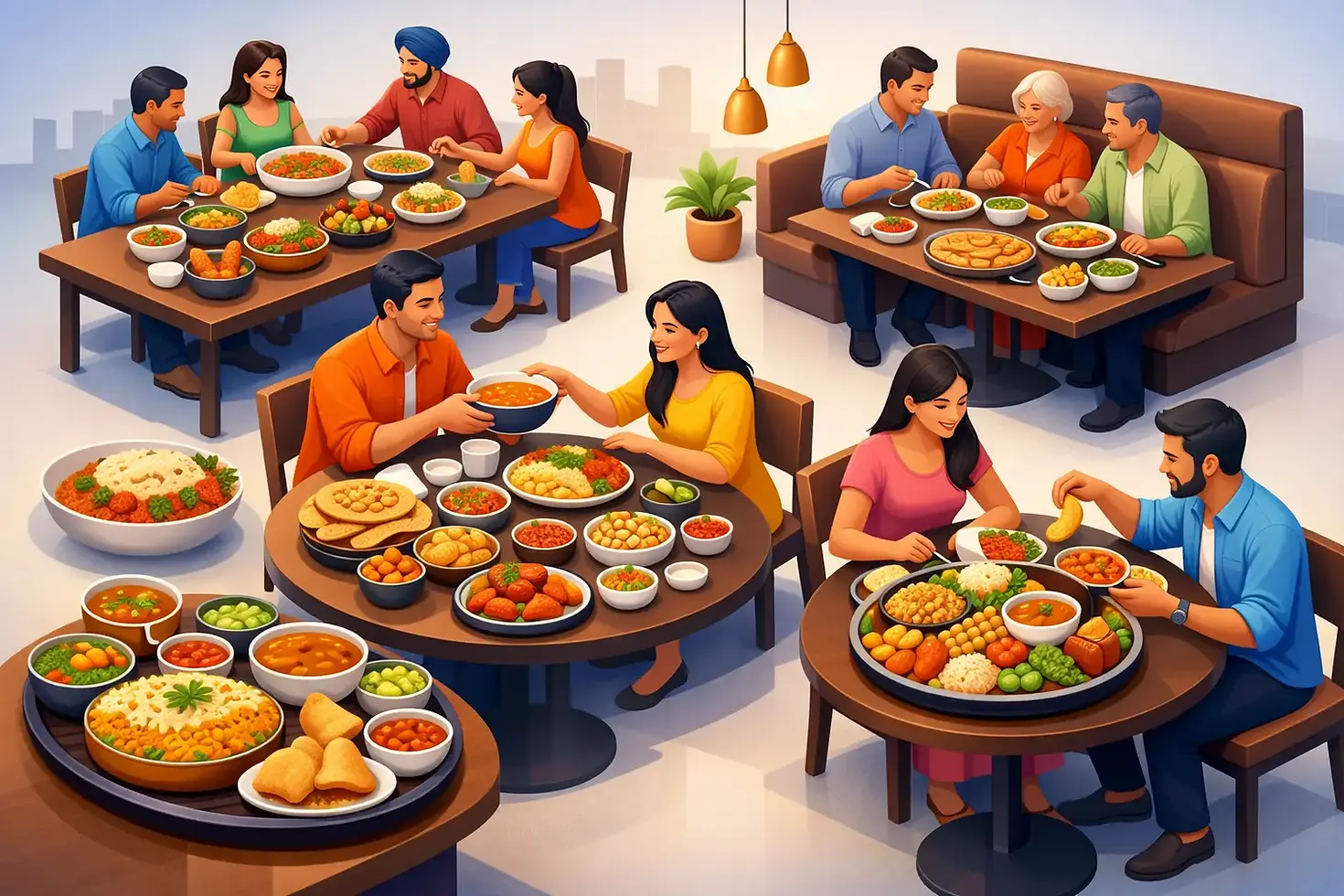
Affordable Indian Group Dining for Every Table
A Better Way to Plan Affordable Indian Group Dining
When six people all want something different, choosing where to eat can become the hardest part of the gathering. Affordable indian group dining works best when the menu gives everyone a real choice, the dishes are made for sharing, and nobody leaves feeling that they settled for less just to stay within budget.
Indian food naturally brings people together. A table can hold fragrant biryani, warm breads, vegetable dishes, grilled favorites, curries, and cooling sides at the same time. That variety makes it easier to feed families with children, colleagues with different lunch preferences, and friends who range from adventurous eaters to people who know exactly what they like.
The goal is not simply to order the cheapest items. It is to build a satisfying meal with enough variety, sensible portions, and clear value for everyone at the table.
Start With the Group, Not the Menu
A good group order begins with a quick conversation before anyone gets hungry. Ask how many people are sharing, whether there are vegetarians, how much spice the group enjoys, and whether the meal is a casual lunch or a longer celebration. These details prevent the common problem of ordering too much of one rich dish and not enough food that everyone can enjoy.
For a smaller group of four to six, one or two shareable starters, a rice centerpiece, two curries, one vegetable dish, breads, and a side can create a balanced spread. For larger groups, increase variety before increasing duplicates. A second style of rice or a different curry can serve the table better than ordering several of the same dish.
Children and lighter eaters matter, too. A thali-style meal or a familiar rice dish can be a practical choice for someone who does not want to share from every plate. The best group dining plan leaves room for individual comfort while keeping the center of the table generous and communal.
Choose a Strong Centerpiece
Dum biryani is often a smart foundation for a group meal because it combines aromatic rice, spices, and a satisfying main ingredient in one dish. It feels special enough for a birthday meal or family get-together, yet it also helps the group manage the overall order without building every plate from scratch.
If the group prefers bread with curries, pair a smaller rice order with naan, roti, or other fresh breads. Breads are especially useful when you have flavorful gravies on the table, but portion planning matters. Ordering too many breads at the start can leave less room for the dishes people came to enjoy. Begin with enough for everyone, then add more only if the table needs it.
Build Variety Without Raising the Bill
The most memorable group meals usually have contrast. Think grilled and saucy, mild and spicy, rice and bread, familiar and new. That does not require an oversized order. It requires a few well-chosen dishes that work together.
Start with one grilled item, such as tandoori chicken, for smoky flavor and a different texture from curries. Add one vegetarian dish so that the table has a lighter option and everyone has something to enjoy. Then choose one hearty curry based on the group’s preference for chicken, lamb, seafood, or vegetables. With biryani or another rice dish in the middle, the meal already feels complete.
Indo-Chinese dishes can be a helpful addition when dining with mixed groups. Their bold flavors and familiar formats often appeal to people who may be newer to Indian cuisine. Still, there is a trade-off: too many fried or strongly sauced dishes can make the meal feel heavy. Balance them with grilled items, vegetables, and rice rather than making every dish rich.
For guests with different spice preferences, choose one milder main and one dish with more heat. This is more welcoming than making every dish medium-spicy and hoping it suits everyone. If you are unsure, ask for guidance when ordering. A restaurant team can often suggest dishes that fit the group’s comfort level while still delivering authentic flavor.
Share Starters Carefully
Starters create energy at the table, especially when guests arrive at different times or the group is catching up after work. But they are also where a budget can disappear quickly. Instead of giving every person an individual appetizer, order a few dishes meant for the whole table.
Choose starters with distinct roles. One grilled plate can offer protein, while a crispy vegetarian option adds variety. If the group is large, two or three shareable starters are usually enough to begin. The point is to wake up the appetite, not replace the main meal before it arrives.
This is also where timing matters. For a relaxed dinner, starters make sense. For a quick work lunch, a focused order of mains may offer better value and get everyone back on schedule. Affordable dining is not only about menu prices. It is also about ordering in a way that suits the occasion.
Make Health-Conscious Choices Part of the Plan
A value meal should feel good after the last bite. When a group is eating together regularly, whether for office lunches or weekly family dinners, ingredient standards matter as much as portion size.
Look for restaurants that are transparent about their kitchen practices. At Nandhana’s Restaurant, dishes are prepared without added MSG or artificial preservatives, with healthy cooking ingredients and cooking oil that is not reused. Those standards can offer reassurance when you are ordering for children, older family members, or colleagues with different dietary priorities.
A balanced table can include grilled dishes, vegetable preparations, lentils, rice, and breads alongside richer favorites. There is no need to avoid indulgent dishes altogether. The better approach is to give the group a mix, so guests can enjoy the flavors they love and still choose according to their appetite.
Affordable Indian Group Dining for Different Occasions
A family dinner calls for a different approach than a team lunch. Families may want more variety and a slower pace, while office groups often prioritize food that is easy to share, predictable in portion, and quick to enjoy. For a birthday or casual celebration, a biryani centerpiece, tandoori dish, and a wider choice of curries can make the meal feel festive without turning it into a formal banquet.
For workplace meals, consider whether delivery or pickup makes more sense than dining in. Delivery can be convenient for meetings, but food choices should travel well and be easy to portion. A mix of rice dishes, curries, and breads generally works better than a menu built around items best eaten immediately from the kitchen.
Reservations are useful for larger dine-in groups, especially on weekends or during busy meal periods. A confirmed table means less waiting, more comfortable seating, and a smoother start to the meal. If you are planning for a bigger family gathering, share the group size and any dietary needs in advance so the restaurant can help you organize the order.
Small Ordering Habits That Save More
Group dining becomes more affordable when the table avoids waste. Order in rounds when possible. Begin with a sensible selection of mains, then add breads, rice, or another dish if the group is still hungry. This works particularly well when people arrive with different appetites.
Avoid building the entire meal around premium proteins if value is the priority. A vegetable dish or lentil-based curry is not a compromise when it is made well. It adds flavor, color, and range to the table while helping the overall order serve more people.
Finally, consider the full experience rather than only the total on the bill. A welcoming setting, food prepared with care, dishes that suit different ages, and the convenience of dine-in, takeaway, or delivery all contribute to value. The right restaurant makes gathering easy enough that people are happy to do it again.
The next time your group is deciding where to meet, plan a table that gives everyone a place in the meal: a little spice, a little comfort, plenty to share, and food worth coming together for.


Comments