


Event Catering That Brings Everyone Together
A successful gathering is often remembered by one simple question: was there enough good food for everyone? Event catering should make guests feel looked after, whether you are hosting a family celebration, a workplace lunch, a community event, or a birthday dinner at home. The right menu creates an easy, welcoming moment around the table - without leaving the host worried about portions, preferences, or last-minute details.
Indian food is especially well suited to sharing. Fragrant biryani, freshly prepared curries, grilled tandoori favorites, breads, rice, and comforting vegetarian dishes give a group plenty to enjoy. More importantly, a well-planned spread lets guests with different tastes find a plate they genuinely look forward to.
Start Event Catering With the People in Mind
Before choosing dishes, think about who is coming and how they will eat. A corporate lunch may need neat, efficient portions that guests can enjoy within a short break. A family party may call for generous trays of familiar favorites, with extra choices for children, grandparents, vegetarians, and guests who prefer milder flavors.
The guest count matters, but it is not the only number to consider. Timing, venue access, serving style, and the length of the event all affect how much food to order. For a lunchtime gathering, guests often appreciate a balanced meal that feels satisfying but not too heavy. For an evening celebration, a wider selection of shared dishes can help the meal become part of the occasion.
It also helps to ask a few practical questions early. Will there be a place to set up food? Are guests eating at one time or arriving in waves? Does the venue have plates, serving utensils, and space for hot dishes? Clear answers prevent small logistics from becoming a stressful surprise on the day.
Build a Menu With Variety, Not Confusion
A long menu is not always a better menu. The goal is a spread that feels generous while still giving each dish a purpose. For most gatherings, choose a centerpiece, add complementary mains, include vegetable options, and make sure there is enough rice or bread to bring everything together.
Dum biryani is a natural choice for larger groups because it is flavorful, filling, and easy to serve. Pair it with a gravy dish, raita, and a vegetable side so guests can build a complete plate. Tandoori chicken can bring smoky, char-grilled flavor to the table, while a creamy North Indian curry or a warming South Indian-style dish offers contrast.
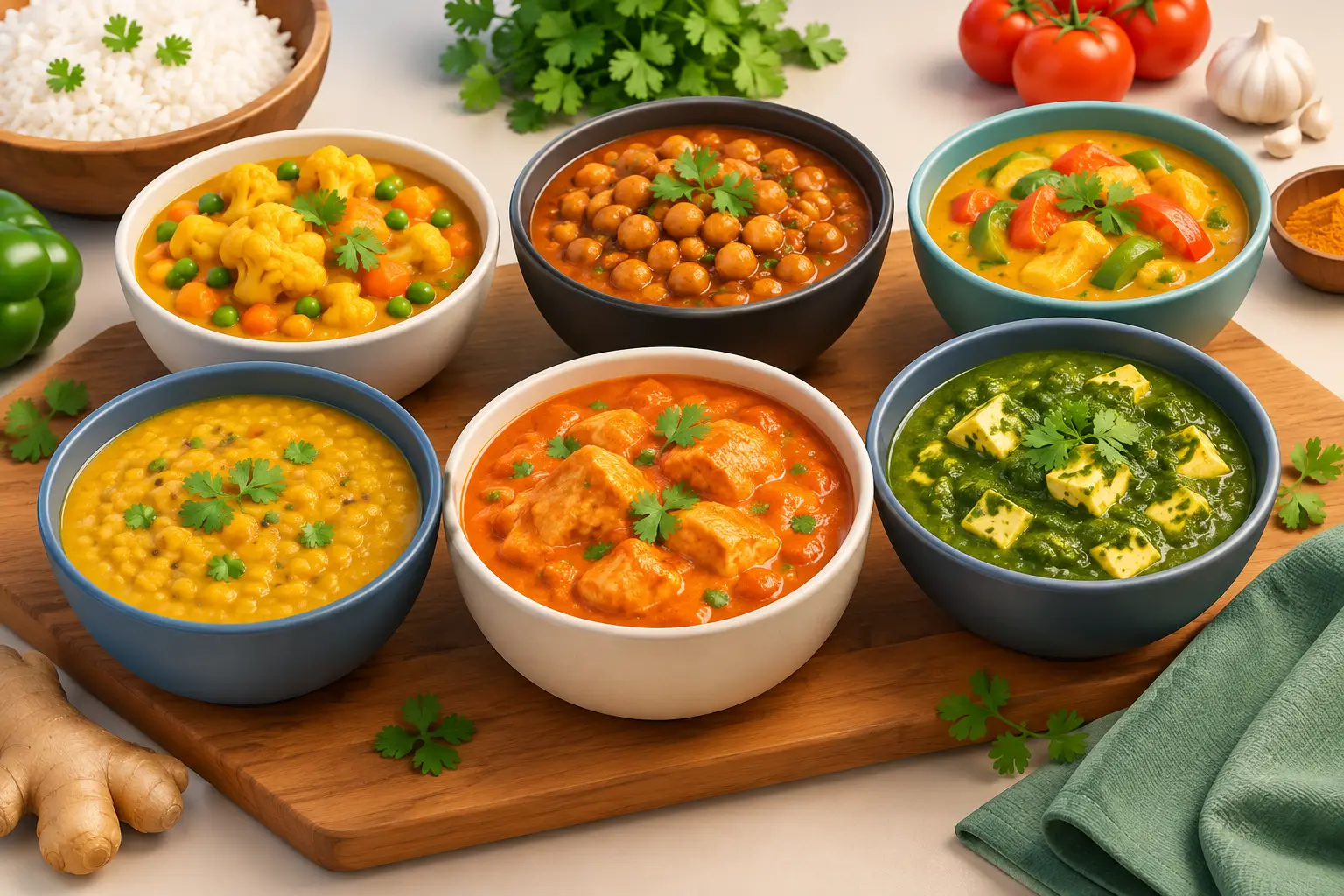
Vegetarian options should be planned as part of the main meal, not treated as an afterthought. Dishes made with lentils, paneer, chickpeas, or seasonal vegetables can be satisfying choices for everyone, including guests who eat meat. A thoughtful catering menu gives people options without making anyone feel like they are receiving a separate or limited meal.
For mixed groups, familiar dishes can sit comfortably beside more regional specialties. This is where Indian cuisine shines. North Indian curries, South Indian rice dishes, and Indo-Chinese favorites can all work together when the selection is balanced. The key is not to offer every possible dish. Choose flavors that complement one another and are easy for guests to recognize and enjoy.
Make Room for Different Spice Preferences
Spice is personal. Some guests want bold heat, while others prefer rich flavor without a strong chili kick. When catering for a diverse group, it is usually wiser to keep the main dishes at a crowd-friendly spice level and offer chili sauces or spicier sides separately.
This approach does not make the food less authentic. It simply makes the meal more inclusive. Guests can add heat if they want it, while children, older guests, and those less familiar with Indian food can eat comfortably.
Portions Are Where Good Intentions Become Good Hosting
Ordering too little food can leave guests disappointed. Ordering far too much can create unnecessary waste. The right quantity depends on whether you are serving a full meal, light refreshments, or food alongside other dishes and desserts.
For a complete lunch or dinner, plan for enough rice or biryani to anchor each serving, along with several mains and at least one vegetable dish. If guests will be eating after a long workday or celebrating for several hours, they may return for seconds. Larger portions are also helpful when the event includes teenagers, families, or guests who are especially enthusiastic about the menu.
At the same time, not every event needs the same volume of food. A mid-afternoon meeting with snacks and beverages calls for a different plan than a graduation party. Share the event details with your caterer, including the number of adults and children, the serving time, and whether other food will be available. A good recommendation should be based on the occasion, not just a standard package.
Choose Food Standards You Feel Good About Serving
When you invite people to eat, quality matters beyond flavor. Guests notice food that tastes fresh, arrives in good condition, and has been prepared with care. For family events and workplace functions alike, hosts want to feel confident about what they are putting on the table.
Look for a caterer that is clear about its kitchen practices and ingredients. Fresh preparation, hygienic handling, and careful packing can make a real difference, especially for food that needs to travel to an office, function room, or home. If your guests have dietary needs or allergies, communicate them early rather than assuming a dish will be suitable.
At Nandhana's Restaurant, our approach is built around authentic flavor and everyday peace of mind. We prepare food without added MSG or artificial preservatives, use healthy cooking ingredients, and do not reuse cooking oil. Those standards matter because catering is not only about serving a delicious meal. It is about giving hosts confidence that their guests are being cared for.
Plan the Delivery and Setup, Not Just the Menu
Even excellent food can lose its impact if it arrives late or has nowhere to go. Confirm the delivery address, contact person, arrival window, and any building instructions well ahead of time. Offices, condos, event spaces, and community venues may have loading restrictions, security check-ins, or limited elevator access.
Consider how the food will be served once it arrives. Buffet-style catering works well for larger, relaxed gatherings because guests can choose their own portions. Individually packed meals can be more practical for meetings, training sessions, or events where guests need to eat at their seats. Neither option is always better. It depends on the venue, schedule, and atmosphere you want to create.
If you are hosting outdoors or in a space without kitchen facilities, focus on dishes that hold well and are easy to serve. Ask about packaging, warming needs, and serving utensils. These details are simple, but they are often what separates a smooth event from one where the host spends the first half hour searching for spoons.
When to Place Your Catering Order
For a small, straightforward gathering, ordering a few days ahead may be enough. For larger events, busy dates, customized menus, or special dietary requests, earlier is better. Advance planning gives the kitchen time to prepare properly and gives you time to make changes if the guest count shifts.
Do a final check one or two days before the event. Confirm the number of guests, delivery time, menu, dietary notes, and the person receiving the order. If you are adding drinks, desserts, or your own table setup, make sure those plans fit the food service schedule.
Great catering does more than fill plates. It gives people a reason to pause, share a meal, and enjoy being together. Choose food that feels generous, flavors that welcome every guest, and a catering partner that lets you spend less time managing details and more time being part of the gathering.


Comments