


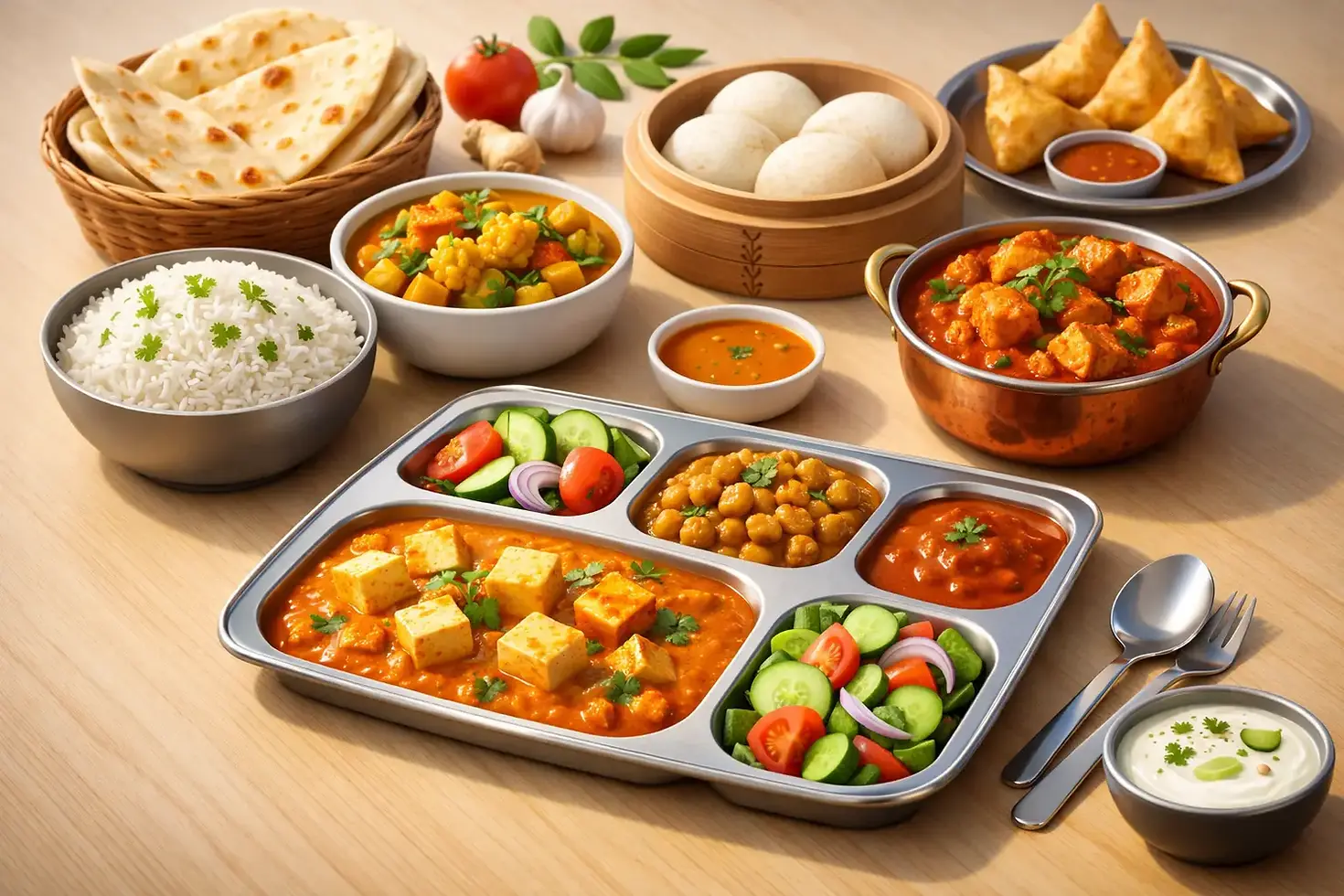
No Preservative Indian Meals for Everyday Dining
- rajshiva6
- Aug 8
- 5 min read
A weekday meal has to do more than taste good. It needs to feel dependable when you are ordering lunch between meetings, feeding children after school, or gathering the family around the table. That is why more diners are looking for no preservative Indian meals: food made with recognizable ingredients, traditional spices, and care that does not stop at the flavor.
Indian food is naturally suited to fresh preparation. A fragrant biryani depends on rice, herbs, whole spices, and slow cooking. A comforting dal gets its depth from lentils, tempering, and patience. Tandoori dishes earn their character from marinades and high-heat cooking, not from shortcuts. When a kitchen respects those foundations, the result is a meal that feels as satisfying as it tastes.
What no preservative Indian meals really mean
The phrase can mean different things in different settings, so transparency matters. For restaurant meals, it usually refers to food prepared without artificial preservatives added to extend shelf life. It does not mean every ingredient is picked moments before cooking, nor does it mean food cannot be safely chilled, packed, and delivered. Good food safety and thoughtful storage are part of responsible restaurant cooking.
What diners should expect is a kitchen that puts fresh preparation first, uses spices and ingredients for genuine flavor, and avoids relying on artificial preservatives to make food last longer than it should. That approach is especially meaningful for dishes with sauces, gravies, rice, breads, and marinated proteins, where quality is easy to taste.
Fresh cooking also asks more of a restaurant. Ingredients need to be managed carefully, batches need to be prepared at the right pace, and recipes must stay consistent through a busy lunch rush or a full dining room. The effort is worth it because a well-made meal carries cleaner flavors and the warm, home-style comfort people expect from Indian cuisine.
Why fresh preparation changes the meal
Spices are central to Indian cooking, but their role is often misunderstood. Turmeric, cumin, coriander, cardamom, cloves, pepper, chilies, ginger, garlic, and curry leaves bring aroma, warmth, color, and complexity. They should work together with fresh vegetables, legumes, meats, and dairy rather than cover up ingredients that have lost their character.
Take a vegetable curry. When onions, tomatoes, ginger, garlic, and spices are cooked properly, the gravy develops its own body and flavor. A paneer dish becomes creamy and satisfying because of its sauce and seasoning, while a chicken curry gets richness from its marinade and slow-simmered gravy. These are familiar methods, but they make a real difference when the food reaches your table.
There is a practical benefit, too. Freshly prepared food lets diners appreciate the intended balance of a dish: the tang in a tomato-based curry, the smokiness of a tandoori item, or the gentle fragrance of basmati rice. The goal is not to make every dish mild or overly “healthy.” Authentic Indian meals can be bold, indulgent, and deeply flavorful while still being made with clear standards.
Preservative-free does not mean flavor-free
A common concern is that removing artificial preservatives may mean giving up the flavors people love. It should mean the opposite. Great Indian food has never needed to be bland. The kitchen has a broad palette of natural flavor builders, from toasted spices and caramelized onions to fresh herbs, yogurt, tamarind, coconut, and slow-cooked lentils.
The trade-off is that food prepared with this care is best enjoyed within its intended serving window. For delivery, that means ordering from a restaurant that packs dishes thoughtfully and recommends prompt enjoyment. For leftovers, it means refrigerating them quickly and reheating them safely rather than treating them as food to keep indefinitely.
Choosing a meal for your table
The best choice depends on the occasion and who is eating. For a quick workday lunch, a thali can offer variety without making the decision complicated. It brings together rice or bread, a main curry, sides, and comforting staples in one balanced meal. For family dinner, a mix of curries, breads, rice, and a vegetable dish gives everyone something familiar to enjoy.
Dum biryani is a natural choice when you want a complete, celebratory meal. The layered cooking method allows rice, spices, and ingredients to come together slowly, creating aroma in every serving. Pair it with a cooling yogurt side or a flavorful gravy, depending on how rich or spicy you want the meal to feel.
Tandoori chicken and other grilled dishes are ideal when you want smoky flavor and a satisfying protein-centered option. Their character comes from marinades, spices, and the heat of the tandoor. Add naan, roti, or fragrant rice, plus a vegetable curry, and the meal feels generous without being overly complicated.
For diners who enjoy a little variety, Indo-Chinese dishes can be a fun addition to the table. They bring familiar Indian spice sensibilities to stir-fried noodles, rice, and savory sauces. As with any cuisine, quality comes down to the preparation and the kitchen’s standards, not just the name of the dish.
The kitchen practices behind better everyday food
A no-preservative approach is strongest when it is part of a wider commitment to food quality. That includes using carefully selected cooking ingredients, maintaining hygienic preparation areas, monitoring portioning and holding times, and treating oil management seriously. Reusing cooking oil may seem like a small operational detail, but it affects both taste and confidence in the food being served.
At Nandhana’s Restaurant, the focus is on authentic Indian flavors alongside no added MSG, no artificial preservatives, and a policy of not reusing cooking oil. These standards help make everyday dining feel more reassuring, whether you are sitting down with family, picking up dinner, or arranging a meal for colleagues.
Consistency matters just as much as good intentions. A restaurant with multiple locations and delivery service needs systems that protect quality across every order. Food should arrive hot where appropriate, cold sides should stay properly chilled, packaging should keep gravies secure, and the final meal should still feel worthy of the person who ordered it.
Questions worth asking when you order
You do not need to turn dinner into an investigation, but a few simple questions can help. Look for clear statements about artificial preservatives and added MSG. Check whether the menu offers a broad range of dishes prepared in-house rather than relying on generic, heavily processed shortcuts. If you have dietary needs, ask about ingredients, spice levels, dairy, nuts, or vegetarian preparation before placing your order.
It is also helpful to choose dishes that travel well. Biryani, curries, dal, grilled items, and breads usually make excellent takeaway or delivery choices when packed properly. Crispy foods can lose texture during a longer journey, so they are often best enjoyed while dining in or when you are close to the restaurant.
Good food for ordinary days and special plans
Health-conscious choices do not have to feel restrictive, and restaurant food does not have to be saved only for celebrations. A freshly prepared Indian meal can fit a regular Tuesday night, a team lunch, a birthday gathering, or a relaxed weekend dinner. The key is having options that are approachable, flavorful, and made with standards you can trust.
For families, shared dishes make it easy to create a table where children, grandparents, spice lovers, and cautious eaters all have something to enjoy. For professionals, reliable delivery makes a busy day more manageable. For hosts, catering built around familiar favorites can make guests feel looked after without adding stress to the occasion.
The next time you choose Indian food, let the question be simple: does this meal feel made for today? When ingredients, preparation, and hospitality are handled with care, every order can bring the comfort of a good kitchen to your table.


Comments